
Bangkok Pub Fire Kills 27, Raising Fresh Questions Over Fire Safety Standards in Thailand

Bangkok Pub Fire, A devastating overnight fire at a crowded entertainment venue in Bangkok has claimed the lives of at least 27 people, leaving dozens more injured in one of Thailand’s deadliest public venue fires in recent years. The tragedy has shocked the nation and renewed concerns over fire safety standards in nightlife establishments. The fire broke out shortly before midnight at the Rong Beer Na Lat Phrao (Na Ladprao) Pub in Bangkok’s Chatuchak district. According to emergency officials, flames spread rapidly through the venue, filling the building with thick smoke and leaving many customers with little time to escape. Firefighters managed to bring the blaze under control within about 30 minutes, but by then dozens of victims had already been trapped inside. Bangkok Pub Fire Spread Within Minutes Witnesses described scenes of panic as patrons rushed toward exits while smoke quickly engulfed the building. Several survivors reported hearing what sounded like an explosion near the stage moments before flames spread across the ceiling. Early investigations suggest the Bangkok Pub Fire may have originated near an electrical system or air-conditioning equipment, although authorities have not confirmed the exact cause. Rescue workers said many victims were discovered near restrooms at the rear of the venue, indicating that people had attempted to escape the smoke but became trapped before reaching safety. Officials are continuing forensic examinations to determine the identities of all victims. More Than 60 Injured Authorities confirmed that 63 people were transported to hospitals, with 22 reported in critical condition. Medical teams from several Bangkok hospitals worked through the night treating victims for severe burns and smoke inhalation. Emergency responders praised hospital staff for their rapid coordination as ambulances continued arriving from the scene. (Reuters) Family members gathered outside hospitals awaiting updates, while local officials established assistance centers to support those affected by the tragedy.Bangkok Pub Fire Investigation Focuses on Safety Violations The Bangkok Metropolitan Administration has launched a full investigation into the incident. Initial findings suggest emergency exits may have been obstructed, making it difficult for patrons to evacuate once the Bangkok Pub Fire intensified. Officials are also examining whether the venue complied with Thailand’s fire safety regulations, including emergency escape routes, occupancy limits, electrical systems, and fire suppression equipment. Investigators are expected to review surveillance footage, inspect the building’s electrical infrastructure, and interview witnesses to determine whether negligence contributed to the disaster. Government Promises Thorough Review Thailand’s Prime Minister visited the site shortly after the incident, offering condolences to the victims’ families and promising a comprehensive investigation.Bangkok Pub Fire Government officials stated that if violations of building or fire safety regulations are discovered, legal action will be taken against those responsible. Authorities also indicated that inspections of entertainment venues across Bangkok could be intensified in the coming weeks. Thailand’s History of Entertainment Venue Fires Although Thailand has strengthened building safety regulations over the years, nightclub and entertainment venue fires remain a serious concern. Previous incidents have prompted calls for stricter inspections, improved emergency planning, and stronger enforcement of fire safety laws. Experts say the latest tragedy highlights the importance of maintaining accessible emergency exits, functioning alarm systems, and regular safety inspections in crowded public venues. (Internazionale) Why This Matters The Bangkok pub fire is more than an isolated accident. It raises broader questions about public safety, emergency preparedness, and regulatory enforcement in entertainment venues that attract large crowds. Similar incidents around the world have shown that blocked exits, overcrowding, and inadequate fire protection systems can turn small fires into catastrophic disasters within minutes. Authorities hope the investigation will help prevent similar tragedies in the future while ensuring greater accountability across Thailand’s hospitality industry. What’s Next? Investigators continue collecting evidence to determine the exact cause of the blaze. Officials are expected to release additional findings once forensic examinations and safety inspections are completed. Meanwhile, families continue mourning the victims as Thailand reflects on one of its deadliest public venue fires in recent years. (Reuters) Key Takeaways Frequently Asked Questions Where did the fire occur?The fire broke out at the Rong Beer Na Lat Phrao (Na Ladprao) Pub in Bangkok’s Chatuchak district. What caused the fire?The exact cause remains under investigation, although early reports suggest it may have originated near electrical equipment. How many people were injured?Authorities reported that 63 people were hospitalized, including 22 in critical condition. For more in-depth stories and industry insights, news visit our Magazine Homepage
The Future of Work and Leadership: Adapting to a New Era (And Why Your Office Might Soon Feel Like a Sci-Fi Movie)

Author: Ramesh Bairi Picture this: It’s Monday morning. You roll out of bed, grab coffee, and hop into a virtual meeting where your AI assistant summarizes the agenda before you even say “good morning.” Later, you brainstorm with colleagues in a metaverse boardroom—your avatar high-fiving a coworker in Tokyo—while a Gen Z intern teaches your team how to automate that soul-crushing spreadsheet task. Welcome to the future of work, where hybrid offices, AI coworkers, and digital-native employees are reshaping the workplace. Let’s unpack what’s coming, why it’s exciting (and a little terrifying), and how leaders can survive the chaos. Hybrid Work Models: When Your Office is Everywhere (And Nowhere) Gone are the days of fluorescent-lit cubicles and rush-hour commutes. The hybrid work model isn’t just a pandemic Band-Aid—it’s a full-blown revolution. Employees now demand the freedom to work from a beach in Bali or their couch, while companies reap the perks of a global talent pool and lower overhead costs. But let’s be real: Making hybrid work actually work is like herding cats. “Why Is My Wi-Fi Always Down?”: Building a Seamless Hybrid Infrastructure Imagine this nightmare: You’re presenting to clients, but your VPN crashes. Your teammate in Berlin can’t access the shared drive. The sales lead’s mic is stuck on mute. Hybrid work thrives on tech that doesn’t suck. Tools like Slack and Microsoft Teams are the new office water coolers, but the real magic lies in AI-powered upgrades: Pro tip: Companies like GitLab (fully remote since 2014) use “handbooks over hierarchy” to keep teams aligned. Every process is documented in a searchable wiki—even how to fix the office coffee maker. Rethinking Office Spaces: From Cubicles to Creativity Hubs Why commute to an office just to answer emails? Forward-thinking companies are ditching rows of desks for “collaboration zones.” The catch: Employees now fight over who gets the office. A 2023 survey found 60% of workers want to come in only for team lunches or workshops. The rest of the time? Let them work in pajamas. “But How Do I Know They’re Working?”: Measuring Productivity Without Micromanaging Middle managers used to prowl the office like hall monitors. Now, with hybrid work, leaders are learning to trust outcomes over hours logged. But beware: A 2023 Harvard study found that remote employees work 10% longer hours—but risk burnout. The fix? France just banned after-hours emails. Could “right to disconnect” laws go global? Hybrid Hell: When Loneliness, FOMO, and Burnout Collide Hybrid work isn’t all sunshine and sweatpants. Remote workers often feel like second-class citizens: Solutions in the wild: AI, Robots, and the Future of Your Job (Spoiler: You’re Not Obsolete… Yet) Let’s address the elephant in the room: Is AI coming for your job? Short answer: Yes and no. While AI handles spreadsheets and data crunching, humans are still better at, well, being human. Meet Your New Coworker: The AI Intern AI isn’t just a tool—it’s a teammate. But the creep factor is real: Amazon once scrapped an AI recruiting tool because it penalized female candidates. Oops. “Upskilling or Else”: Surviving the Automation Wave The World Economic Forum predicts 50% of employees will need reskilling by 2025. The jobs of tomorrow? Success story: AT&T spent $1 billion on reskilling programs, transitioning 100,000 employees from legacy roles to cloud engineering and data science. The Human Edge: Why Empathy Beats Algorithms AI can diagnose diseases and write legal briefs, but it can’t The winning formula: Let AI handle grunt work, while humans focus on innovation. At St. Jude Children’s Hospital, radiologists use AI to analyze scans faster—but doctors still break tough news to families. Gen Z and Gen Alpha: The Workforce That’s Rewriting the Rules Move over, millennials. Gen Z (born 1997–2012) and Gen Alpha (their younger siblings) are here, and they’re nothing like their parents. “Why Would I Work Here?”: The Rise of the Purpose-Driven Employee Gen Z doesn’t care about corner offices. They want: Fail at this, and they’ll quit: A 2023 survey found 40% of Gen Z workers left a job because it “didn’t align with their values.” TikTok-Taught and Tech-Obsessed: The Digital-Native Workforce These kids grew up with iPads in their cribs. But they’re not all coders: Only 33% of Gen Z feels “digitally ready” for the workforce. Surprise! Gig Life: Why Loyalty is Dead (And How to Adapt) Gen Z prefers to use DoorDash on weekends rather than pursue a corporate career. The challenge: How do you build culture with a revolving door of gig workers? Leadership in 2030: From Bosses to Coaches Command-and-control leadership? That’s so 2010. Tomorrow’s leaders are part therapist, part tech guru. The Empathy Algorithm: Leading With Vulnerability Microsoft CEO Satya Nadella credits empathy for the company’s turnaround. His playbook: The data backs it up: Companies with empathetic leaders see 50% higher employee retention. AI Whisperers: When Your Boss is a Data Scientist Leaders don’t need to code, but they must speak tech: Case study: After a ransomware attack, Maersk’s CEO led a global reboot of 4,000 servers in 10 days—then hired a hacker to train staff. The Flexibility Trap: Balancing Freedom With Focus Unlimited vacation. Remote work. Four-day weeks. But how do you keep teams aligned? Conclusion: The Office of the Future is Whatever You Want It to Be The future of work isn’t about ping-pong tables or free snacks. It’s a choose-your-own-adventure story where: But here’s the kicker: Technology alone won’t save us. The human skills of empathy, creativity, and ethical grit will decide who thrives. Leaders who cling to outdated playbooks will drown in turnover and TikTok call-out videos. Those who adapt? They’ll build workplaces where robots and humans actually get along—and where work doesn’t feel like work at all. So, ready to ditch your desk? Your AI assistant is waiting.
The Ultimate Guide to Fast WordPress Hosting in 2025

The website speed is the most critical in this digital age we live in. It could make or break the user experience for your business website, blog, or eCommerce site. A fast WordPress hosting provider can determine user experience, SEO ranking, and conversion rates. A slow-loading site deters visitors, hinders brand reputation, and adversely affects revenue. We will highlight the importance of fast WordPress hosting, key features to look out for, some of the top hosting services to check them out in 2025, and a few tips to optimize site loads. The Importance of Fast WordPress Hosting 1. Enhances user experience A website visitor expects a website to load in a few seconds. If not, it leaves an impression of a bad user experience. A study says that any website that takes longer than three seconds for loading will be abandoned. A well-functioning, fast-loading website keeps visitors for longer and gets more interaction with the content. 2. Boosts SEO rankings Fast-loading websites are ranked higher by Google in their search engine ranking. The faster your website loads, the better chance you will have on landing a higher position on SERPs. Site load speed is a confirmed site ranking factor; thus, this makes it essential for growing organic traffic. 3. Enhanced Conversion Rates Speed will have an impact on sales and lead generation. One-second delay may lead to a severe drop in conversions, as studies have shown. An e-commerce website that loads faster allows consumers to follow through easily, hence lowering cart abandonment rates. 4. Improved Server Response This is the aspect that a hosting service provider should offer to ensure your website stays intact amidst surges in traffic. This happens to businesses that have seasonal sales, promotional campaigns, or viral content traffic when the businesses are already overwhelmed. During such times, faster servers help maintain stability. Key Features to Look for in Fast WordPress Hosting 1. SSD Storage Solid state drives (SSD) make transfers a lot faster than a traditional hard disk drive (HDD). Therefore, the usage of SSDs diminishes latency much, and this will work to the advantage of making it quicker to load your website content. WordPress Hosting 2. CDN Integration A content delivery network (CDN) is a mass of servers that work to deliver your whole content around several places around the globe, thus reducing latency and speeding load times for visitors from different geographic locations. 3. Server-Side Caching Cache connectivity or built-in caching will improve performance as stored data is frequently accessed. So server-side caching will really offer a definite speed improvement by avoiding repeated querying of the same data from the database. 4. Scalability Find out if the hosting provider can handle an increase in traffic without compromising performance. Scalable hosting solutions ensure the growth of your business without worrying about slowdowns. 5. PHP and Database Optimization When running the latest versions of PHP along with optimized databases, speed performance is improved. The slow performance due to older PHP versions is an important reason for choosing sustainable hosts that offer the latest software support. 6. Dedicated Resources Dedicated CPU and RAM preclude performance loss in hosting plans. Shared hosting leads to sluggishness if other sites take too many resources. 7. 24/7 Support Good customer support operates to resolve all issues related to speed and downtime promptly. Make a choice of hosting providers with a responsive and knowledgeable technical team. Best Fast WordPress Hosting Providers in 2025 1. Kinsta All the managed WordPress hosting provided by Kinsta has been selected by Google Cloud, which makes the service lightning fast. Top-tier security and utter scalability are other features that Kinsta comes along with. Their custom-made dashboard and automatic scaling is just what makes them a favorite among high-performance websites. 2. WP Engine An extremely sophisticated hosting solution that includes high-level caching and performance optimizations. Used to host high-to-very-highly trafficked websites. WP Engine has enterprise security and support. 3. SiteGround Famous for immaculate speed and customer support. Offers optimized WordPress hosting, free CDN, and daily backups. It uses cutting-edge speed technologies like SuperCacher and AI-powered security. 4. Cloudways This is a cloud hosting provider whose attributes are speed, scalability, ease of use, and solid performance. Cloudways hosts using multiple cloud providers like AWS, Google Cloud, and DigitalOcean so that solutions can be customized according to business needs. 5. Bluehost (WP Pro) One of the most affordable hosting solutions. It has in-built caching and optimization tools. Bluehost seamlessly integrates with WordPress, offering a lineup of handling plans suitable for many business sizes. How to Enhance the Speed of Your WordPress Site – WordPress Hosting 1. Choose a Lightweight Theme A well-defined, minimalist theme provides effective compatibility without causing slowdowns. Themes that are too flashy with unreasonable animation features will guarantee to slow down your site. 2. Use Pictures That Are Well Optimized Utilizing image compression with files such as ShortPixel, or Smush will reduce the size of images, significantly improving loading speed. Large images can drastically slow your pages. 3. Use Lazy Loading Images and videos should only be loaded when they are visible in the viewport. Lazy loading prevents the loading of unnecessary resources and improves page speed. 4. Minify CSS, JavaScript, and HTML Minifying these files reduces the file size and removes clutter, vastly improving page load times. To “minify” is to cut down on the number of characters in the source code and thereby improve load speed. 5. Utilize a Caching Plugin Plugins like WP Rocket, W3 Total Cache, or LiteSpeed Cache will help boost page score. Caching helps store static copies of the generated web pages, so browsers will not send as frequent requests to the server. 6. Use GZIP Compression GZIP compression helps you to reduce the size of transfers and load your site faster! GZIP compression shrinks your files down before they get sent off, thus saving bandwidth. 7. Limit Use of Plugins Too many plugins will slow your website; so only use the absolutely necessary and remove the rest, especially outdated
Top Economic Trends 2025—Insights from The Enterprise Insight

The Enterprise Insight , 2025 is the world economy’s turning point. With technology advancing at unprecedented levels, geopolitics transforming, and consumerism evolving, the corporate landscape is entering a new age of opportunities and challenges. In this exclusive report, The Enterprise Insight explores the Top Economic Trends 2025 that will reshape industries, inform investments, and transform growth strategies for companies worldwide. 1. AI-Driven Productivity Revolution | The Enterprise Insight One of the most revolutionary economic trends of 2025 is the mass use of artificial intelligence in daily business practice. Although adoption began years earlier, its 2025 form is far more advanced—transforming decision-making, supply chains, customer service, and even creative careers. Companies that are using AI to predict and automate are achieving significant cost savings and productivity boosts. Industry reports indicate that tools backed by AI can yield up to a 40% boost in efficiency, allowing businesses to expand at a faster pace without proportionate increases in operation costs. The Enterprise Insight observes that by 2025, AI is no longer an optional add-on—it’s the basis of competitive advantage. From small startups to multinational corporations, organizations that do not adopt AI are in danger of falling behind. 2. Emergence of Sustainable and Green Economies |The Enterprise Insight Sustainability has evolved from a marketing option to an integral economic imperative. Climate policy, carbon pricing, and growing consumer concern about the environment are compelling firms to shift to green business models. In 2025, investment in renewable energy, circular economies, and carbon-neutral production becomes central to growth strategies. Governments across the globe are providing tax incentives for sustainable business operations, and thus green transformation not only becomes ethical but profitable as well. Growing industries include electric vehicles, solar power, and sustainable farming, says The Enterprise Insight. Investors are increasingly channeling funds toward companies with solid ESG (Environmental, Social, and Governance) principles, indicating a long-term realignment of world capital flows. 3. Geopolitical Realignments Affecting Trade Political blocs, economic sanctions, and local partnerships are defining the trade of goods and services in 2025. Persistent geopolitical tensions between different regions like Eastern Europe, the South China Sea, and the Middle East are impacting trade routes, tariffs, and supply chain decisions. The Enterprise Insight observes that supply chain diversification is becoming a priority one for exporters and manufacturers. Firms are shifting from dependence on a single country towards multi-regional sourcing, lowering risk and enhancing resilience. Also, regional trade agreements are becoming strong growth drivers. For instance, Africa’s Continental Free Trade Area (AfCFTA) and emerging Asia-Pacific alliances are creating opportunities for emerging markets to have greater roles in global trade. 4. Digital Currencies and Financial Transformation The world of finance in 2025 is going through a parallel movement—away from conventional banking systems towards digital money and decentralized finance (DeFi). Central Bank Digital Currencies (CBDCs) are already live across various large economies, and blockchain-based transactions are going mainstream. This change is not just speeding up cross-border payments but also cutting transaction costs by a long shot. Companies that adopt cryptocurrency-friendly payment platforms are opening themselves to new markets, especially in tech-savvy regions. The Enterprise Insight foresees that with the growing acceptance of digital currencies, we will witness the emergence of hybrid payment infrastructures, in which fiat and crypto coexist, providing buyers and sellers with more flexibility. 5. Hybrid Work and the Global Talent Marketplace The pandemic caused by COVID-19 redefined the culture of work, and by 2025, the hybrid model had become a permanent economic framework. The possibility of hiring remote talent from anywhere globally has opened up unprecedented opportunities for businesses. Workforce globalization has created the “Global Talent Marketplace,” where businesses are able to acquire talent from the most competitive and low-cost locations. This has contributed to increased diversity, innovation, and flexibility in organizational designs. Economically, the Enterprise Insight points out that this shift minimizes fixed costs for companies while offering professionals access to worldwide job openings without geographical constraints. 6. Expanding Health Tech and Bioeconomy Medical innovation is a central economic driver in 2025. The use of AI in diagnostics, precision medicine, wearable health technology, and biotech innovation is driving a thriving “bioeconomy.” With aging populations in most developed countries, demand for sophisticated healthcare solutions is mounting. Enterprise Insight adds that nations heavily investing in health tech are not only enhancing public health but also generating high-value export opportunities in pharmaceuticals, medical devices, and health data analytics. 7. The Creator Economy and Digital Monetization Content creation is no longer the reserve of entertainers and influencers—it is a multi-billion-dollar industry that covers educators, consultants, and specialists within niches. Video platforms, podcasting, online courses, and monetizing social media are driving a global creator economy. By 2025, companies are riding this wave by working with micro- and nano-influencers to create focused marketing campaigns. This trend is yielding better engagement rates than conventional advertising. The Enterprise Insight predicts that digital monetization technologies—everything from subscription strategies to NFT-based intellectual property—will further progress, providing creators with more ownership and economic autonomy. 8. Redefining Consumer Behavior Through Experience Economy In 2025, individuals are buying fewer physical goods and more experiences—travelling, entertainment, education, and health. This is called the “experience economy” and is driving change in the tourism, hospitality, and lifestyle industries. The Enterprise Insight further posits that businesses integrating immersive technologies such as virtual reality (VR) and augmented reality (AR) into customer experiences are registering greater brand loyalty. Experiential stores, mixed events, and tailored services are the new industry standards. 9. Cybersecurity as an Economic Imperative With accelerated digital transformation, cyber threats are emerging as one of the largest threats to economic stability. 2025 cyberattacks are more advanced, not only attacking financial institutions but supply chains, healthcare networks, and government infrastructure as well. The financial cost of cybercrime is estimated at trillions of dollars a year. The Enterprise Insight points out that cybersecurity is not a secondary IT priority anymore—it is a top business strategy. Organizations are making more investments in zero-trust architectures, threat detection with artificial intelligence, and employee cyber-awareness training. 10. Future Markets Stepping
Digital Transformation: A Must-Have, Not a Luxury for Modern Businesses
In a fast-evolving global marketplace, digital transformation has gone from being a competitive advantage to an urgent necessity. Whether you’re running a startup, a retail brand, a manufacturing unit, or a service-based company — adapting to the digital era is no longer optional. It’s essential for survival, scalability, and sustained success. But what does digital transformation really mean for a business in 2025? Is it just about using software and tools — or something much deeper? Let’s explore why digital transformation is reshaping industries, how companies can embrace it smartly, and what mistakes to avoid. 💡 What is Digital Transformation? Digital transformation is the process of integrating digital technologies into all areas of a business. It radically changes how a company operates, delivers value to customers, and adapts to the market. It’s not just about creating a website or getting on social media. It’s about: Simply put — it’s reimagining your business with digital at the core. 📈 Why It’s No Longer Optional Businesses that resist digital change face growing risks: 🔻 1. Losing Customers Today’s consumers demand fast, seamless, personalized experiences. If your business can’t meet that, they’ll shift to someone who can — in seconds. 🔻 2. Falling Behind Competitors Digital-first brands can operate faster, smarter, and cheaper. They gain insights quicker, launch products faster, and scale easily — making non-digital businesses obsolete. 🔻 3. Operational Inefficiencies Manual systems, paperwork, and siloed departments create errors, delays, and poor decision-making. Digital transformation fixes this with real-time automation and analytics. 🚀 Real-World Benefits of Going Digital Here’s how businesses benefit when they truly embrace digital: ✅ Better Customer Experience AI chatbots, mobile apps, self-service portals, and CRM systems all improve customer satisfaction and retention. ✅ Cost Savings Automation of HR, finance, and logistics reduces human errors and operational costs. ✅ Data-Driven Decisions With tools like Power BI, Tableau, or Google Analytics, businesses gain insights that drive growth and efficiency. ✅ Remote Work and Collaboration Tools like Microsoft Teams, Slack, Trello, and Zoom help teams work from anywhere, increasing flexibility and productivity. ✅ Competitive Edge Businesses using cloud tech, AI, or smart logistics respond to market changes faster than traditional competitors. 🧠 How to Begin Your Digital Transformation Journey Starting your digital transformation doesn’t mean you overhaul everything at once. Follow a strategic step-by-step approach: 1. Assess Where You Are Understand your current business operations. Where are the gaps? Are you still using Excel for inventory? Is customer feedback handled manually? Are teams working in silos? 2. Set Clear Digital Goals Decide what you want to achieve: Your goals will shape your tools and technology. 3. Choose the Right Technologies Depending on your business, you may need: Don’t chase trends. Choose what fits your purpose and scale. 4. Train Your Team Digital tools are only as good as the people using them. Conduct workshops and upskilling sessions. Make digital adoption a part of your culture. 5. Measure & Improve Track KPIs like: 🌍 Industries Being Disrupted by Digital Transformation 🛒 Retail: From WhatsApp shopping to smart kiosks and cashless payments — digital is changing how we shop. 💊 Healthcare: Telemedicine, e-prescriptions, wearable health monitors — all powered by digital platforms. 🚚 Logistics & Manufacturing: Real-time tracking, automated warehousing, AI-based demand forecasting — boosting efficiency and accuracy. 📚 Education: Online courses, LMS platforms, virtual classrooms — transforming how knowledge is delivered and accessed. 🏦 Finance: Digital wallets, UPI, online KYC, robo-advisors — redefining how people handle money. ⚠️ Common Mistakes to Avoid While digital transformation offers huge rewards, there are some pitfalls to be aware of: Remember: Technology is not the goal — it’s the enabler. Your core values and customer-centricity must remain intact. 🔐 Digital Transformation and Cybersecurity As your business goes digital, cyber threats increase. Protect your data and reputation by: A successful digital business is also a cyber-safe business. 🌟 Final Thoughts: Adapt or Get Left Behind We’re living in a world where technology is redefining industries every year. Businesses that embrace this change are: Whether you’re a local business or an emerging enterprise — digital transformation is your ticket to the future. Start small, stay consistent, and evolve with confidence. Because in today’s digital-first world, staying analog is the biggest risk.
The Future of Education: Learning Beyond Classrooms

In a world driven by technology, creativity, and rapid change, education is no longer limited to textbooks and classrooms. The future of learning is flexible, personalized, and deeply connected to real-world skills. But are our systems evolving fast enough to meet the needs of tomorrow? 🔍 The Traditional System: Structured but Outdated? For decades, the education system has revolved around: While this structure provided discipline and foundational knowledge, it often failed to encourage critical thinking, problem-solving, or emotional intelligence — the very skills today’s world demands. 💡 A New Era of Learning: What’s Changing? ✅ 1. Digital Classrooms With tools like Zoom, Google Classroom, and Khan Academy, learning can happen anywhere. Students can access lectures, resources, and even live mentorship globally. ✅ 2. Skill-Based Learning > Degree-Based Learning Companies today value what you can do over what degree you hold. Platforms like Coursera, Udemy, and Skillshare offer practical courses in coding, design, marketing, AI, and more. ✅ 3. Personalized Education AI-driven platforms now track how students learn best — whether through video, audio, or hands-on practice — and tailor content accordingly. ✅ 4. Lifelong Learning Mindset Learning doesn’t stop at graduation. Professionals today must constantly upskill and reskill to stay relevant in dynamic industries. 🌍 The Role of EdTech in India India is experiencing an EdTech boom with startups like BYJU’S, Unacademy, Vedantu, and PhysicsWallah leading the way. These platforms: 🧠 The Future: Hybrid, Inclusive & Purpose-Driven The education of tomorrow will be: 🔚 Conclusion Education is no longer about just clearing exams — it’s about preparing for a future that’s fast, flexible, and uncertain. The schools and systems that recognize this shift early will produce not just degree holders, but leaders, creators, and change-makers.
7 Best Website Builders for Small Businesses (No Tech Skills Needed!)

Whether you’re a cafe owner, yoga instructor, freelancer, or run a homegrown brand — having a professional website is no longer optional. It’s your digital shopfront, your credibility card, and often the first impression people have of your business. But here’s the good news: you don’t need to be a tech wizard or hire a pricey developer to build one. Thanks to modern website builders, you can create a sleek, mobile-friendly website in hours — without writing a single line of code. Here’s our handpicked list of the best website builders for small businesses in 2025. 🌟 1. Wix – Best for Total Beginners ✅ Pros: ❌ Cons: 🛒 2. Shopify – Best for E-Commerce Businesses ✅ Pros: ❌ Cons: 🧰 3. Squarespace – Best for Beautiful Design ✅ Pros: ❌ Cons: 🧩 4. WordPress.com – Best for Content-Driven Sites ✅ Pros: ❌ Cons: 💡 Note: This is WordPress.com (hosted), not to be confused with WordPress.org (self-hosted). The hosted version is beginner-friendly. 🌍 5. Webflow – Best for Custom Design Without Coding ✅ Pros: ❌ Cons: 💼 6. Zyro – Budget-Friendly & Fast ✅ Pros: ❌ Cons: 💡 7. GoDaddy Website Builder – Best for Speed & Ease ✅ Pros: ❌ Cons: 🤔 So, Which Website Builder Should You Choose? Business Type Best Builder Online store Shopify Service-based business Wix / Squarespace Creative/portfolio Squarespace Content-heavy site WordPress.com Quick & cheap site Zyro / GoDaddy Custom design experience Webflow 🧠 Final Thoughts: Build What Your Brand Deserves Your website is more than a URL — it’s your digital reputation. With the right website builder, you can go live in just a few hours and attract the customers you deserve. So go ahead — pick the builder that fits your style, budget, and business needs. And remember, you can always start simple and grow over time.
The Future of Humanoid Robots: Blurring the Line Between Man and Machine

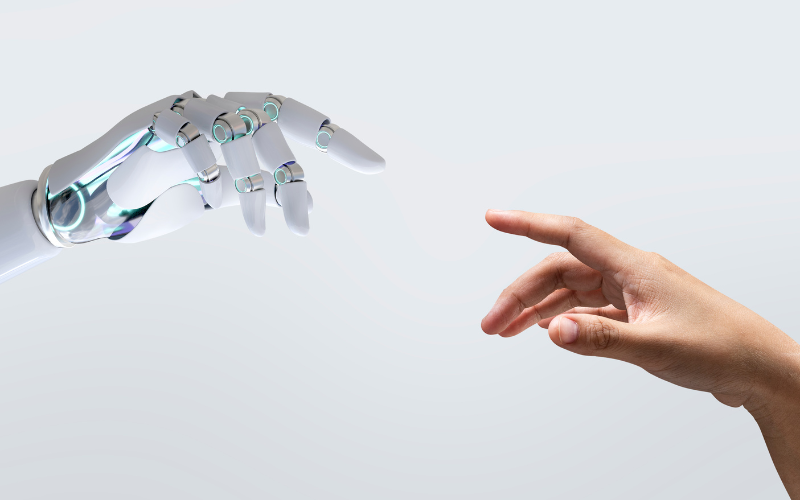
Humanoid robots—machines designed to resemble and mimic human behavior—are no longer the stuff of science fiction. With rapid advances in artificial intelligence, robotics, and mechatronics, the development of life-like machines is accelerating. From customer service and healthcare to companionship and disaster response, humanoid robots are poised to reshape the future of human life. 1. What Are Humanoid Robots? Humanoid robots are robots that: Some famous examples include Sophia by Hanson Robotics, Atlas by Boston Dynamics, and Ameca by Engineered Arts. 2. Key Advancements Driving the Future a) Artificial Intelligence (AI) Integration b) Advanced Sensors and Mobility c) Human-Robot Interaction (HRI) 3. Future Applications of Humanoid Robots a) Healthcare and Elderly Care b) Education and Learning c) Customer Service d) Disaster Response and Dangerous Tasks e) Companionship and Therapy 4. Ethical and Social Challenges While the future seems promising, there are serious concerns: 5. The Road Ahead: Coexistence, Not Replacement The future isn’t about humanoid robots replacing humans—it’s about collaboration. These robots can become valuable assistants in various sectors, enhancing productivity, safety, and quality of life. To make this future successful: Conclusion Humanoid robots are rapidly evolving from experimental prototypes to real-world partners. They hold the power to change how we work, live, care, and connect. However, their development must be guided by ethical principles and human values. The goal should not be to build robots that replace us, but to create intelligent machines that help us become better humans.
Negative Effects of Digitalization on Society

Digitalization has undeniably revolutionized modern life—reshaping how we communicate, work, learn, and entertain ourselves. From smart devices and social media to AI and automation, digital technology has brought convenience and connectivity like never before. However, with these benefits come significant drawbacks. As we move deeper into the digital age, it is crucial to acknowledge and address the negative effects of digitalization on society. 1. Decline in Face-to-Face Communication One of the most visible impacts of digitalization is the decline of real-world human interaction. With messaging apps, video calls, and social media dominating communication: 2. Mental Health Issues Excessive digital use is strongly linked to mental health concerns: 3. Privacy and Data Security Threats Digitalization has made personal data more vulnerable: 4. Job Displacement and Economic Inequality Automation, AI, and digital tools are replacing traditional jobs: 5. Information Overload and Misinformation While access to information has increased, so has the spread of false or harmful content: 6. Reduced Physical Activity and Health Issues Digitalization encourages sedentary lifestyles: 7. Loss of Cultural and Human Values In the race for modernization and digital dominance: 8. Cybercrime and Online Harassment With digital growth comes a rise in: Conclusion While digitalization is a powerful force for progress, its unchecked influence can erode the fabric of society. The challenge lies not in rejecting digital tools but in using them mindfully and ethically. As a society, we must strive to create a balanced digital environment—where technology enhances human life without compromising well-being, privacy, or dignity.
The Importance of Cloud Computing in the Future World

In a rapidly transforming digital era, cloud computing stands at the heart of innovation, efficiency, and scalability. As businesses, governments, and individuals increasingly rely on technology, cloud computing is evolving from a helpful tool into a critical infrastructure. Its importance in the future world cannot be overstated, as it enables faster access to resources, drives data-driven decision-making, and powers the next generation of digital experiences. 1. What is Cloud Computing? Cloud computing is the delivery of computing services—like servers, storage, databases, networking, software, and analytics—over the internet (“the cloud”). Instead of owning and maintaining physical data centers or servers, users can access these services on-demand from cloud providers such as Amazon Web Services (AWS), Microsoft Azure, or Google Cloud. 2. Key Benefits of Cloud Computing 3. Cloud Computing and Future Technologies Cloud computing is the backbone of several futuristic technologies: 4. Impact on Industries 5. Driving Remote Work and Global Connectivity The COVID-19 pandemic accelerated the shift to remote work. Cloud-based tools like Zoom, Google Workspace, and Microsoft Teams became essential for communication and productivity. In the future, cloud computing will continue to play a pivotal role in hybrid work environments, global collaborations, and digital nomadism. 6. Environmental and Economic Impact Cloud data centers are becoming more energy-efficient than traditional IT infrastructure. By optimizing resource usage, cloud computing contributes to greener technology. Economically, it levels the playing field, allowing startups and small businesses to access powerful technologies without heavy upfront investments. 7. Future Trends in Cloud Computing These trends signify a shift toward more flexible, intelligent, and automated cloud ecosystems. Conclusion Cloud computing is more than just a technological advancement—it is a revolution shaping how the world operates. As digital transformation continues to sweep across industries and societies, cloud computing will remain a cornerstone of innovation, accessibility, and sustainable progress. Embracing the cloud is not just a competitive advantage—it is a necessity for future readiness.