
US-Iran Conflict Intensifies for Third Straight Day as Strait of Hormuz Crisis Deepens
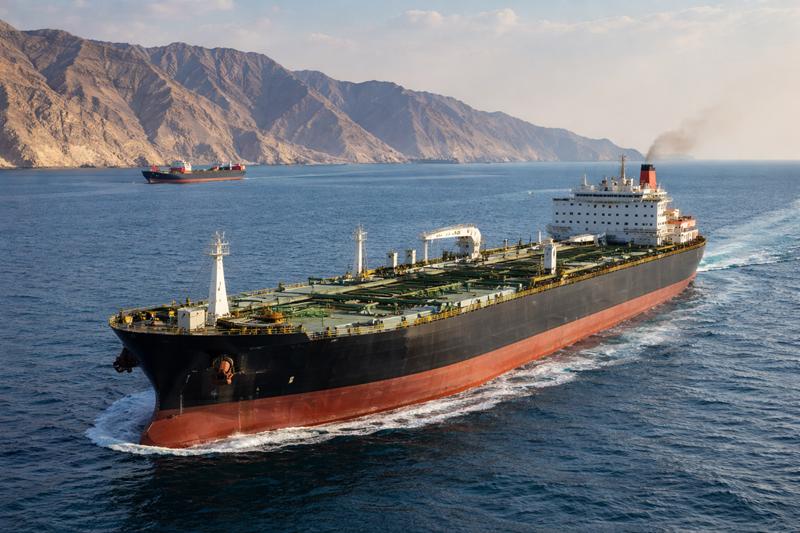
The US-Iran conflict between the United States and Iran entered a dangerous new phase on July 14, 2026, as both nations launched fresh military operations for a third consecutive day. The renewed exchange of strikes has increased fears of a broader regional US-Iran conflict while placing one of the world’s most important energy corridors—the Strait of Hormuz—under renewed international scrutiny. According to U.S. military officials, American forces completed another wave of precision strikes targeting Iranian military infrastructure, including missile launch sites, drone facilities, and coastal defense systems. The latest operation was described as part of ongoing efforts to reduce threats against commercial shipping and allied military assets operating in the Gulf region. Iran responded by launching missile and drone attacks toward American positions and regional allies. Explosions were reported across several locations, while commercial vessels operating near the Strait of Hormuz faced heightened security risks as maritime tensions escalated. Military Operations Expand Across the Gulf Military analysts say the latest round of attacks represents one of the most significant escalations since fighting resumed earlier this month. U.S. Central Command confirmed that military operations targeted strategic Iranian defense installations believed to support missile and drone capabilities. Although officials did not disclose every target, they stated that the objective was to reduce Iran’s operational capacity without targeting civilian infrastructure. Iranian authorities condemned the strikes and pledged continued retaliation, warning that any military pressure would receive a “proportionate response.” Strait of Hormuz Remains the Global Focus The Strait of Hormuz once again became the center of international attention after reports of attacks involving commercial vessels operating near the strategic waterway. Several shipping companies reportedly delayed vessel movements while security agencies monitored developments throughout the Gulf. International maritime organizations also advised operators to exercise extreme caution while transiting one of the world’s busiest oil shipping routes. Nearly 20 percent of global crude oil exports move through the Strait of Hormuz, making any disruption a major concern for governments and financial markets worldwide. Oil Prices Rise as Markets React Global energy markets responded immediately to the escalating US-Iran conflict. Crude oil prices climbed as investors anticipated possible disruptions to energy supplies if the situation continues to deteriorate. Financial analysts warned that prolonged instability could increase transportation costs, fuel prices, and inflation across multiple economies.US-Iran conflict Stock markets also remained cautious as traders monitored geopolitical developments throughout the Middle East. Energy companies, shipping firms, and airlines are expected to remain particularly sensitive to further military activity in the region. (The Wall Street Journal) Diplomatic Efforts Continue Despite Escalation Even as military operations intensified, diplomatic channels remained active. Several countries, including regional partners, continue urging both Washington and Tehran to return to negotiations. International leaders have warned that additional escalation could threaten regional security, disrupt global trade, and increase humanitarian risks. The United Nations has also renewed calls for restraint, emphasizing the importance of dialogue over continued military confrontation.US-Iran conflict Why This Matters The US-Iran conflict extends far beyond the Middle East. The Strait of Hormuz serves as one of the world’s most critical energy corridors. Any sustained disruption could affect global oil supplies, increase fuel costs, slow international trade, and create additional uncertainty in financial markets. Businesses, governments, and investors worldwide continue monitoring the crisis as its economic implications become increasingly significant. What Happens Next? Security experts believe the coming days will be crucial in determining whether military operations continue or diplomatic negotiations regain momentum. Much will depend on developments in the Gulf region, where both military forces and commercial shipping remain on heightened alert. Any further escalation could influence global energy markets and international security throughout the remainder of 2026. (Reuters) Key Takeaways Frequently Asked Questions Why is the Strait of Hormuz important? It is one of the world’s busiest oil shipping routes, carrying nearly one-fifth of global crude exports. Why did oil prices rise? Markets fear that military tensions could disrupt energy shipments through the Gulf. Is diplomacy still underway? Yes. Despite continued military action, several countries are working to encourage renewed negotiations between the United States and Iran.US-Iran conflict For more in-depth stories and industry insights, news visit our Magazine Homepage
France Marks Bastille Day Under Tight Security as 70,000 Personnel Deployed Nationwide
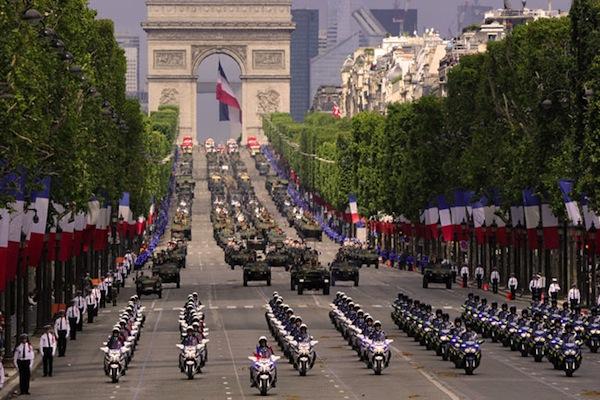
Category: World NewsPublished: July 14, 2026 France Bastille, France celebrated its national holiday, Bastille Day, on July 14, 2026, under one of the country’s largest security operations in recent years. Authorities deployed approximately 70,000 police officers, gendarmes, and security personnel across the country to safeguard millions of people attending military parades, public ceremonies, concerts, and other national celebrations. The increased security came as France balanced multiple challenges, including major public gatherings, recent wildfire threats, and heightened international security concerns. Officials said the large-scale deployment was intended to ensure public safety while allowing celebrations to proceed without disruption. Paris Hosts Grand Military Parade The centerpiece of Bastille Day celebrations took place along the Champs-Élysées in Paris, where President Emmanuel Macron presided over the annual military parade. This year’s event featured thousands of French troops, military aircraft, armored vehicles, and international military contingents. Leaders from several European nations attended the ceremony, making it one of the most internationally significant Bastille Day events in recent years. A contingent of Ukrainian soldiers also participated in the parade, symbolizing continued European support for Ukraine amid ongoing regional security challenges. France Bastille Security Strengthened Across France French Interior Ministry officials confirmed that around 70,000 security personnel were deployed nationwide. Police maintained a strong presence at transportation hubs, tourist attractions, stadiums, and public gathering areas throughout the day. Security measures were further strengthened because Bastille Day coincided with a major international football event that attracted additional crowds in several cities. Authorities also increased surveillance using drones, patrol units, and emergency response teams to quickly respond to any potential incidents. Heatwave and Wildfire Risks Remain a Concern While celebrations continued across the country, France remained on alert for extreme weather. Several regions have experienced prolonged heatwaves and dangerous wildfire conditions in recent days. As a precaution, some municipalities canceled fireworks displays and public celebrations to reduce fire risks. Emergency services remained on standby throughout Bastille Day, particularly in areas where dry weather and strong winds continued to threaten forests and rural communities. France Bastille A Symbol of National Unity Bastille Day commemorates the Storming of the Bastille on July 14, 1789, an event widely regarded as the beginning of the French Revolution. Every year, the national holiday serves as a celebration of liberty, democracy, and the values of the French Republic. The military parade is considered one of the world’s oldest and most prestigious national ceremonies. (Wikipedia) This year’s celebrations also marked President Macron’s final Bastille Day parade as French president, adding historical significance to the occasion Why This Matters Bastille Day is more than a national celebration.France Bastille The event provides France with an opportunity to demonstrate national unity, military readiness, and international cooperation. This year’s parade also reflected Europe’s growing focus on regional security and defense cooperation while highlighting France’s commitment to protecting large public gatherings through enhanced security planning. Looking Ahead French authorities described the nationwide security operation as a success while continuing to monitor wildfire conditions and public safety throughout the summer. Officials say lessons learned from this year’s deployment will help strengthen security planning for future international events hosted by France. France Bastille Key Takeaways Frequently Asked Questions What is Bastille Day? Bastille Day is France’s national holiday, celebrated every year on July 14 to commemorate the beginning of the French Revolution. Why were 70,000 security personnel deployed? Authorities increased security to protect millions attending public celebrations and to manage risks associated with major events and wildfire conditions. Where is the main Bastille Day parade held? The main military parade takes place annually on the Champs-Élysées in Paris. Magazine Homepage
Bangkok Pub Fire Kills 27, Raising Fresh Questions Over Fire Safety Standards in Thailand
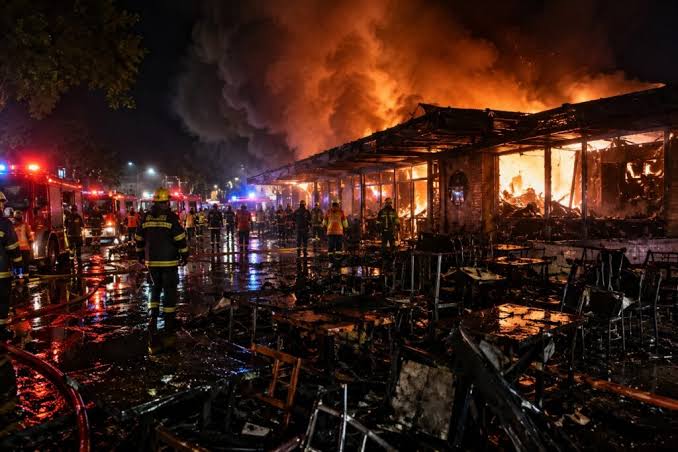
Bangkok Pub Fire, A devastating overnight fire at a crowded entertainment venue in Bangkok has claimed the lives of at least 27 people, leaving dozens more injured in one of Thailand’s deadliest public venue fires in recent years. The tragedy has shocked the nation and renewed concerns over fire safety standards in nightlife establishments. The fire broke out shortly before midnight at the Rong Beer Na Lat Phrao (Na Ladprao) Pub in Bangkok’s Chatuchak district. According to emergency officials, flames spread rapidly through the venue, filling the building with thick smoke and leaving many customers with little time to escape. Firefighters managed to bring the blaze under control within about 30 minutes, but by then dozens of victims had already been trapped inside. Bangkok Pub Fire Spread Within Minutes Witnesses described scenes of panic as patrons rushed toward exits while smoke quickly engulfed the building. Several survivors reported hearing what sounded like an explosion near the stage moments before flames spread across the ceiling. Early investigations suggest the Bangkok Pub Fire may have originated near an electrical system or air-conditioning equipment, although authorities have not confirmed the exact cause. Rescue workers said many victims were discovered near restrooms at the rear of the venue, indicating that people had attempted to escape the smoke but became trapped before reaching safety. Officials are continuing forensic examinations to determine the identities of all victims. More Than 60 Injured Authorities confirmed that 63 people were transported to hospitals, with 22 reported in critical condition. Medical teams from several Bangkok hospitals worked through the night treating victims for severe burns and smoke inhalation. Emergency responders praised hospital staff for their rapid coordination as ambulances continued arriving from the scene. (Reuters) Family members gathered outside hospitals awaiting updates, while local officials established assistance centers to support those affected by the tragedy.Bangkok Pub Fire Investigation Focuses on Safety Violations The Bangkok Metropolitan Administration has launched a full investigation into the incident. Initial findings suggest emergency exits may have been obstructed, making it difficult for patrons to evacuate once the Bangkok Pub Fire intensified. Officials are also examining whether the venue complied with Thailand’s fire safety regulations, including emergency escape routes, occupancy limits, electrical systems, and fire suppression equipment. Investigators are expected to review surveillance footage, inspect the building’s electrical infrastructure, and interview witnesses to determine whether negligence contributed to the disaster. Government Promises Thorough Review Thailand’s Prime Minister visited the site shortly after the incident, offering condolences to the victims’ families and promising a comprehensive investigation.Bangkok Pub Fire Government officials stated that if violations of building or fire safety regulations are discovered, legal action will be taken against those responsible. Authorities also indicated that inspections of entertainment venues across Bangkok could be intensified in the coming weeks. Thailand’s History of Entertainment Venue Fires Although Thailand has strengthened building safety regulations over the years, nightclub and entertainment venue fires remain a serious concern. Previous incidents have prompted calls for stricter inspections, improved emergency planning, and stronger enforcement of fire safety laws. Experts say the latest tragedy highlights the importance of maintaining accessible emergency exits, functioning alarm systems, and regular safety inspections in crowded public venues. (Internazionale) Why This Matters The Bangkok pub fire is more than an isolated accident. It raises broader questions about public safety, emergency preparedness, and regulatory enforcement in entertainment venues that attract large crowds. Similar incidents around the world have shown that blocked exits, overcrowding, and inadequate fire protection systems can turn small fires into catastrophic disasters within minutes. Authorities hope the investigation will help prevent similar tragedies in the future while ensuring greater accountability across Thailand’s hospitality industry. What’s Next? Investigators continue collecting evidence to determine the exact cause of the blaze. Officials are expected to release additional findings once forensic examinations and safety inspections are completed. Meanwhile, families continue mourning the victims as Thailand reflects on one of its deadliest public venue fires in recent years. (Reuters) Key Takeaways Frequently Asked Questions Where did the fire occur?The fire broke out at the Rong Beer Na Lat Phrao (Na Ladprao) Pub in Bangkok’s Chatuchak district. What caused the fire?The exact cause remains under investigation, although early reports suggest it may have originated near electrical equipment. How many people were injured?Authorities reported that 63 people were hospitalized, including 22 in critical condition. For more in-depth stories and industry insights, news visit our Magazine Homepage
France Battles Massive Fontainebleau france Wildfire as Hundreds of Firefighters Race to Contain Blaze
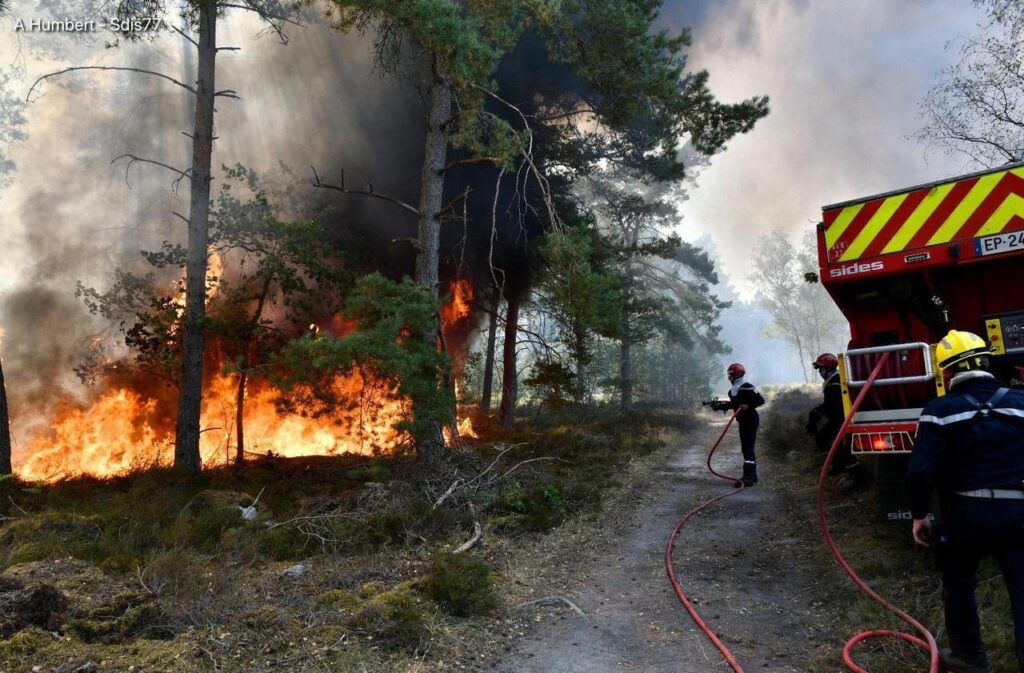
Category: World NewsPublished: July 13, 2026 France Wildfire,A fast-moving wildfire has swept through France’s historic Fontainebleau Forest, triggering a major emergency response and forcing authorities to evacuate nearby residents as firefighters work around the clock to contain one of the country’s most significant wildfires this summer. The blaze, which broke out approximately 60 kilometers southeast of Paris, spread rapidly across dry woodland amid soaring temperatures and strong winds. French emergency officials described the fire as “exceptional in scale,” prompting the deployment of hundreds of firefighters, helicopters, and specialized water-bombing aircraft to prevent the flames from reaching nearby communities. Fire Spreads Rapidly Across Historic Forest Fontainebleau Forest, one of France’s most iconic natural landmarks, is known for its centuries-old trees, hiking trails, rock formations, and rich biodiversity. The area attracts millions of visitors every year and holds significant environmental and cultural importance. Officials confirmed that the wildfire spread across approximately 800 hectares within hours of ignition, making containment efforts increasingly difficult as hot, dry weather continued to fuel the flames. Firefighters worked throughout the night to establish containment lines and prevent the fire from advancing toward residential areas. Hundreds of Firefighters Deployed france Wildfire French authorities mobilized more than 370 firefighters, supported by over 130 emergency vehicles, helicopters, and two water-bombing aircraft dispatched from southern France. Emergency crews focused on protecting nearby villages while attempting to slow the wildfire’s rapid expansion. Officials said the combination of high temperatures, dry vegetation, and shifting winds created extremely challenging firefighting conditions. Aircraft were temporarily grounded after nightfall, allowing ground crews to continue operations until aerial support could resume the following morning. (Reuters Connect) Evacuations Ordered as Safety Measures Increase As the fire intensified, authorities ordered precautionary evacuations in parts of the village of Le Vaudoué, where several homes were considered at risk. Emergency services also established safety zones and advised residents to remain alert as smoke spread across surrounding areas. Officials stressed that the evacuations were carried out as a precaution while firefighters worked to defend nearby communities from advancing flames. Transport Network Faces Major Disruptions The wildfire has also disrupted transportation across the region.france Wildfire Authorities partially closed sections of the A6 motorway, one of France’s busiest north-south highways, as heavy smoke reduced visibility and firefighting operations intensified near the roadway. Rail services were also affected. France’s national railway operator reported significant delays for several high-speed trains traveling to and from Paris, with some passengers experiencing delays of several hours during one of the busiest summer travel periods. Heatwave Increases Wildfire Risk Across Europe The Fontainebleau wildfire comes as much of Europe continues to experience prolonged periods of extreme heat. Meteorologists say repeated heatwaves and below-average rainfall have left forests unusually dry, creating ideal conditions for fast-moving wildfires. France has already experienced thousands of hectares of burned land during 2026, reflecting a broader trend of increasingly severe wildfire seasons across southern Europe. (The Guardian) Climate experts warn that rising temperatures are extending wildfire seasons and increasing pressure on emergency services across the continent.france Wildfire Authorities Continue Monitoring the Situation Emergency officials say firefighting operations will continue until the blaze is fully contained. Authorities remain focused on protecting lives, limiting environmental damage, and restoring transportation routes as quickly as conditions allow. Residents have been urged to avoid affected areas and follow official updates while emergency teams continue their response. Although no large-scale casualties have been reported, officials caution that changing weather conditions could influence the fire’s behavior over the coming days. france Wildfire Why This Matters The Fontainebleau wildfire highlights the growing challenge European countries face as extreme weather events become more frequent. Beyond the immediate danger to communities and wildlife, major wildfires can disrupt transportation, tourism, local economies, and environmental conservation efforts. They also place enormous pressure on emergency services during peak summer travel periods. As Europe experiences increasingly intense heatwaves, governments are investing more heavily in wildfire prevention, early warning systems, and emergency response capabilities.france Wildfire Key Takeaways Frequently Asked Questions Where is the Fontainebleau Forest? Fontainebleau Forest is located about 60 kilometers southeast of Paris and is one of France’s most famous natural parks. Why did the france wildfire spread so quickly? Hot temperatures, dry vegetation, and strong winds created favorable conditions for the fire to spread rapidly. Are evacuations still in place? Authorities have carried out precautionary evacuations in affected areas while emergency crews continue containment efforts. Has transportation been affected? Yes. Sections of the A6 motorway and several high-speed rail services have experienced closures and delays. For more in-depth stories and industry insights, news visit our Magazine Homepage.
US-Iran Conflict Escalates After Fresh Military Strikes, Raising Global Security Concerns
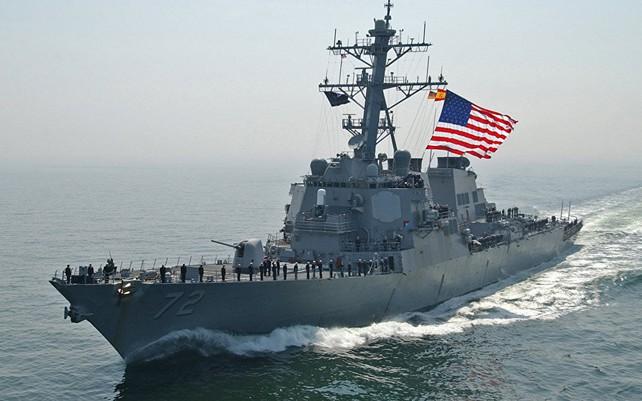
Category: World NewsPublished: July 13,2026 US-Iran Conflict,A new round of military action between the United States and Iran has significantly raised tensions across the Middle East, placing global leaders on high alert and increasing concerns over international security and energy supplies. The latest escalation follows U.S. strikes targeting Iranian military infrastructure after Washington accused Tehran of threatening commercial shipping in the Strait of Hormuz, one of the world’s busiest energy corridors. Within hours, Iran launched retaliatory missile and drone attacks against locations associated with U.S. military operations in the Gulf, marking another dangerous turn in the long-running confrontation. The exchange has sparked renewed fears that the conflict could expand beyond the region, affecting international trade, financial markets, and diplomatic efforts aimed at maintaining stability.US-Iran Conflict Fresh Military Operations Intensify Regional Tensions According to U.S. officials, the latest military operation was designed to weaken Iran’s ability to threaten commercial vessels operating in the Strait of Hormuz. The strikes reportedly targeted missile systems, radar installations, drone facilities, and naval assets considered critical to Iran’s regional military capabilities. Iran condemned the attacks, calling them a violation of international law and warning that it would respond to what it described as continued aggression. Shortly afterward, missile and drone strikes were reported against several locations linked to U.S. military operations across the Gulf region. (The Guardian) Security analysts believe the latest exchange represents one of the most serious escalations in recent weeks, with both sides appearing determined to demonstrate military strength while leaving diplomatic negotiations under increasing pressure. Strait of Hormuz Becomes the Center of Global Attention The Strait of Hormuz has once again emerged as the focal point of international concern. Nearly one-fifth of the world’s oil supply passes through this narrow waterway every day, making it one of the most strategically important shipping routes on the planet. Any disruption to maritime traffic can have immediate consequences for global energy markets. Shipping data released on Monday indicated that commercial vessel traffic through the strait had fallen sharply as shipping companies reassessed security risks following the latest attacks. Several vessels reportedly altered their routes or delayed transit while monitoring developments. Industry experts say prolonged instability could increase transportation costs, delay fuel shipments, and create additional pressure on already volatile global supply chains.US-Iran Conflict Energy Markets Respond to Rising Uncertainty Financial markets reacted quickly as geopolitical risks intensified. Oil prices moved higher amid growing concerns that any prolonged disruption to shipping through the Strait of Hormuz could reduce global crude supplies. Energy traders are closely monitoring military developments, with investors expecting continued price volatility if tensions remain unresolved. Analysts note that energy markets often respond rapidly to uncertainty in the Gulf region because of its central role in supplying crude oil to Asia, Europe, and North America. While no major interruption to worldwide energy exports has been confirmed, markets remain sensitive to any indication that commercial shipping could face further threats. US-Iran Conflict International Community Calls for Restraint Governments and international organizations have urged both countries to avoid further escalation and return to diplomatic dialogue.US-Iran Conflict Several regional partners continue working behind the scenes to prevent the conflict from expanding into a wider regional crisis. Diplomatic efforts remain active despite the latest military exchanges, with officials emphasizing that continued negotiations offer the best opportunity to reduce tensions. (The Guardian) The United Nations has also reiterated its call for maximum restraint, warning that additional military action could increase humanitarian and economic risks across the region. (DPPA) Why This Matters The latest developments extend beyond a bilateral conflict.US-Iran Conflict Any sustained instability in the Middle East has the potential to influence global fuel prices, inflation, financial markets, international trade, and investor confidence. Countries that rely heavily on imported energy are particularly vulnerable to disruptions affecting Gulf shipping routes. Businesses, governments, and financial institutions worldwide are expected to continue monitoring developments closely as the situation evolves. What’s Next? Military analysts believe the coming days will be critical in determining whether both sides pursue further military action or return to diplomatic negotiations.US-Iran Conflict For now, international attention remains focused on the Strait of Hormuz, where both security conditions and commercial shipping activity will likely shape the next phase of the crisis. As governments work to prevent a broader regional conflict, markets and policymakers around the world remain on alert. (Reuters) Key Takeaways FAQ Why is the Strait of Hormuz important?It is one of the world’s most important maritime routes, carrying a significant share of global oil exports. How have global markets responded?Oil prices and shipping concerns have increased as investors monitor the evolving security situation. Is diplomacy still underway?Yes. International mediators and the United Nations continue encouraging both sides to pursue diplomatic solutions despite the military escalation.US-Iran Conflict For more in-depth stories and industry insights, news visit our Magazine Homepage.
Iran Suspends Cooperation with UN Nuclear Watchdog Amid Rising Tensions
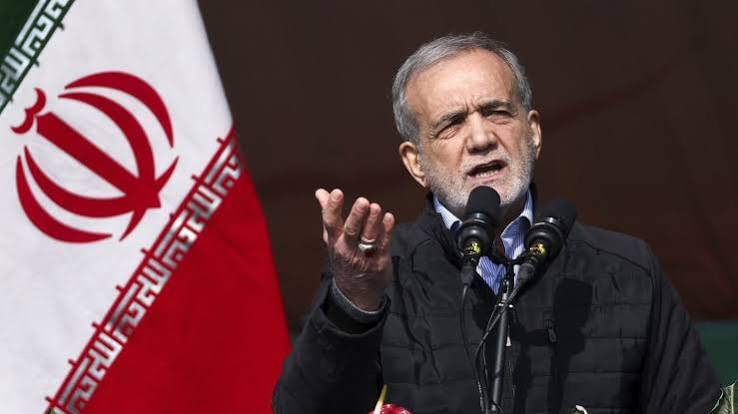
Iran has officially suspended its cooperation with the International Atomic Energy Agency (IAEA), the United Nations’ nuclear watchdog. The decision comes after growing tensions between Iran and Western nations regarding its nuclear program. Iranian officials stated that the move was taken to protect national interests and respond to what they described as unfair international pressure. The suspension is expected to increase concerns among global leaders about transparency in Iran’s nuclear activities. Several countries, including the United States and European nations, have urged Iran to reconsider the decision and continue working with international inspectors. Experts believe this development could further complicate diplomatic efforts aimed at reviving nuclear agreements and maintaining stability in the Middle East. The international community is closely monitoring the situation as it may have significant implications for regional and global security.
Iran Reopens Strait of Hormuz, But Trump Says U.S. Blockade Will Stay Until Final Deal
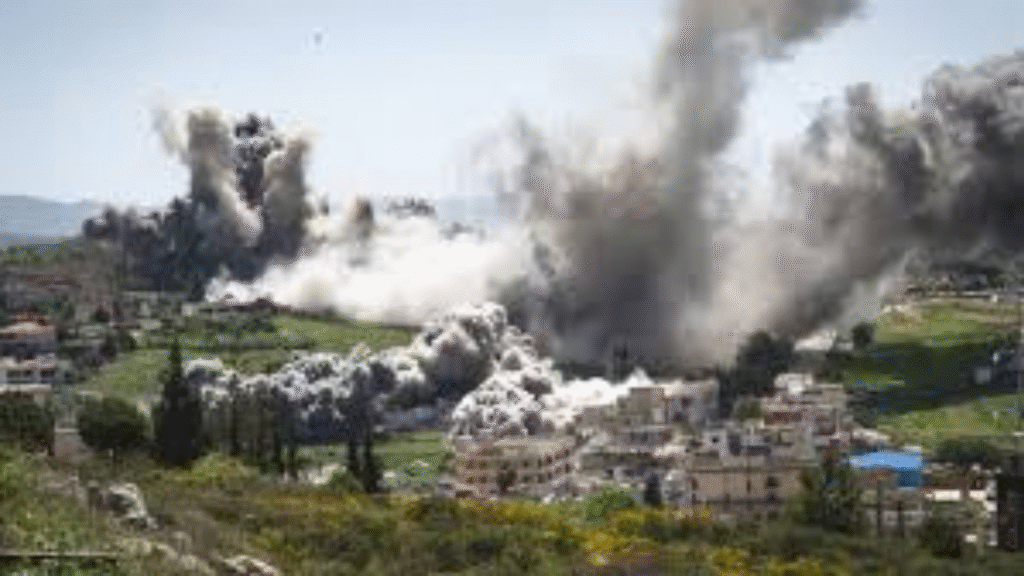
Iran has reopened the Strait of Hormuz to commercial shipping, bringing relief to global markets and the energy industry after weeks of uncertainty. The narrow waterway, one of the world’s most important oil routes, had been severely disrupted during rising tensions in the Middle East. Nearly 20% of the world’s oil and natural gas shipments pass through the Strait of Hormuz, so any disruption there immediately impacts energy prices and global trade. Iranian Foreign Minister Abbas Araghchi confirmed that the route is now open once again for all commercial vessels. However, ships have been instructed to continue using a designated corridor near Iran’s southern coast, where authorities believe it is safer and away from areas that may still contain sea mines. The announcement came shortly after a temporary ceasefire linked to the wider conflict involving Israel and Lebanon. While Iran has reopened the route, U.S. President Donald Trump made it clear that the American naval blockade against Iran is not ending anytime soon. Speaking on Friday, Trump said the U.S. blockade would remain in place until Washington and Tehran reach a complete agreement. “The naval blockade will remain in full force and effect as it pertains to Iran only, until such time as our transaction with Iran is 100% complete,” Trump said. According to Trump, the Strait of Hormuz may now be “ready for business,” but the United States will continue restricting Iranian ports, vessels and ships suspected of transporting goods linked to Iran. The U.S. military has reportedly deployed more than 10,000 troops, along with 12 naval ships and over 100 aircraft, to enforce the blockade. Officials said that at least 19 vessels have already turned back because of the restrictions. The reopening of the Strait of Hormuz had an immediate impact on global markets. Oil prices fell sharply after Iran’s announcement, as investors became hopeful that the flow of energy supplies would soon return to normal. Brent crude prices dropped nearly 10%, marking one of the biggest declines in recent months. Despite the positive response from markets, uncertainty still remains. Shipping companies are expected to be cautious before fully resuming normal operations, especially while the U.S. blockade remains active and concerns continue over security in the region. For now, the Strait of Hormuz is open again—but the wider standoff between Iran and the United States is far from over.
Minnesota’s Federal Prison Staff Serve Without Pay Amid U.S. Shutdown
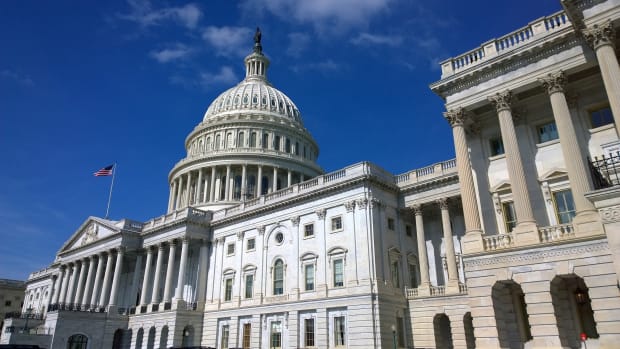
In Minnesota, federal prison staff are still doing their jobs despite not receiving their salaries. This is one of the effects of the federal government shutdown that is still ongoing. The shutdown has led to a break in the normal funding and pay cycles. However, prisons still have to be operational for the sake of public safety, thus the authorities (correctional officers, administrative staff, and others) are grounding the facilities without pay until the federal appropriations are back on track. These personnel are suffering from financial loss, trying to manage their bills and personal expenses while at the same time performing their crucial duties. Some of them even say that their families are feeling the stress and the morale is affected as the uncertainty continues. At the same time, the situation has wider implications that spread out: the change in staff could aggravate the stability of the institution, impact the safety in the prison, and cause stress in the local communities that depend on these workers. The whole thing is a clear indication of how far a federal shutdown can influence not only the government in Washington but also the people’s daily life in states like Minnesota.
Pam Bondi’s Defiance Deepens Rift with Klobuchar and Senate Democrats
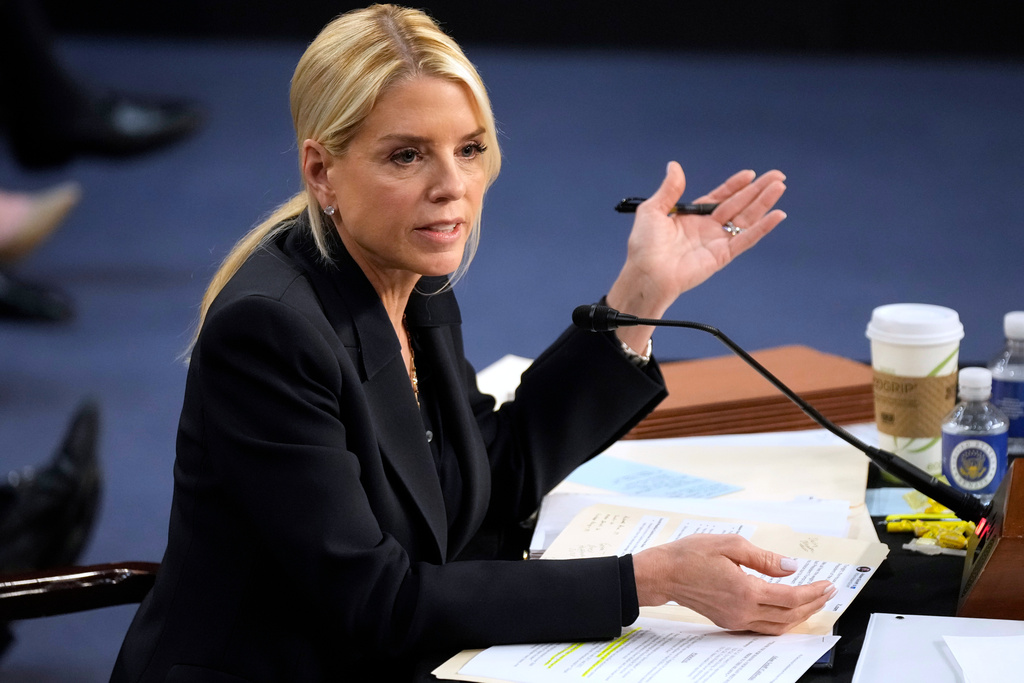
In a heated Senate hearing, Attorney General Pam Bondi came into direct confrontation with the Democrats—Senator Amy Klobuchar being the most prominent among them—making the whole debate about the executive influence and legal accountability even more heated. More than once, Pam Bondi chose not to answer the question of whether Pam Bondi looks at the demands President Trump makes on the public (like when he asked her to prosecute his political opponents) as basically orders she must carry out. She insisted on not treating them as personnel issues, nor did she want to make any comments about her alleged reluctance to his pressure campaign on the part of U.S. Attorney for the District of New Jersey, Erik Siebert. Klobuchar confronted Bondi with the question whether the Trump post on Truth Social that called for prosecutions of people such as James Comey and Letitia James was a “directive.” Bondi avoided answering directly, saying that Trump’s remarks have been coming consistently over time and that she would not dissect them any further. Additionally, she refused to comment on the DOJ investigation regarding Comey, saying that the ground was not suitable. Bondi’s disobedience was not limited just to Klobuchar. In her comments throughout the hearing, she fought fiercely against other Democratic senators who were questioning her regarding Jeffrey Epstein-related revelations and claims of political misuse of the DOJ. Her attitude reveals a more profound schism regarding the limits of executive power and the independence of law enforcement—and demonstrates that she is willing to take a stand against the opposition. or more in-depth stories and industry insights, visit our Magazine Homepage.
Traders Increase Bets on Fed Rate Cuts Amid Powell Uncertainty
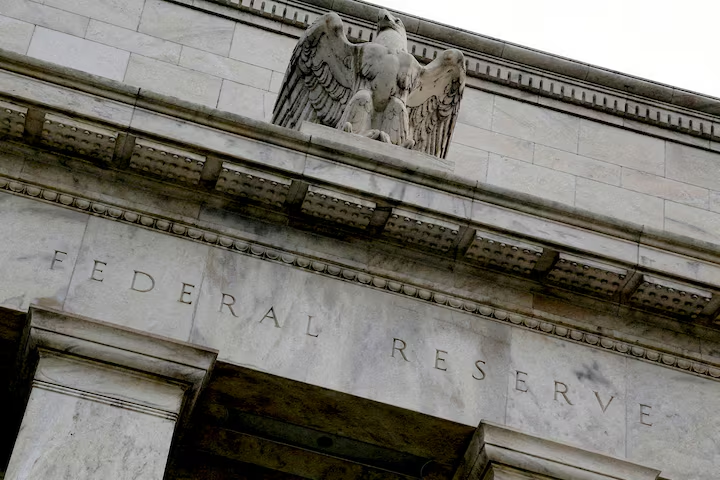
U.S. short-term interest-rate futures climbed on Wednesday after reports surfaced suggesting President Donald Trump may soon dismiss Federal Reserve Chair Jerome Powell. The speculation has led traders to price in the likelihood of rate cuts beginning as early as September, with expectations of at least one more cut by December. Trump has been a vocal critic of Powell, repeatedly urging the Fed to lower interest rates. However, a recent U.S. Supreme Court ruling reinforces the long-standing legal understanding that a president cannot remove the Fed chair solely due to policy disagreements. Despite this, the market reaction signals growing investor anticipation of a shift in monetary policy in the coming mont