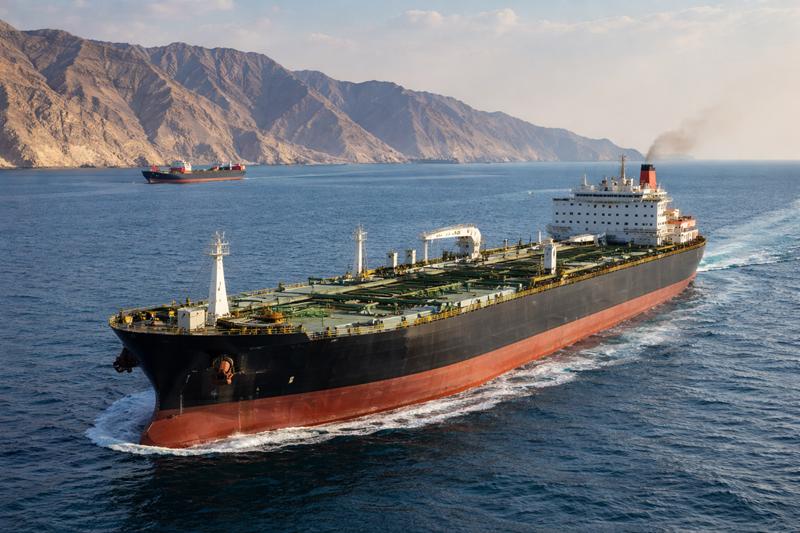
The US-Iran conflict between the United States and Iran entered a dangerous new phase on July 14, 2026, as both nations launched fresh military operations for a third consecutive day. The renewed exchange of strikes has increased fears of a broader regional US-Iran conflict while placing one of the world’s most important energy corridors—the Strait of Hormuz—under renewed international scrutiny.
According to U.S. military officials, American forces completed another wave of precision strikes targeting Iranian military infrastructure, including missile launch sites, drone facilities, and coastal defense systems. The latest operation was described as part of ongoing efforts to reduce threats against commercial shipping and allied military assets operating in the Gulf region.
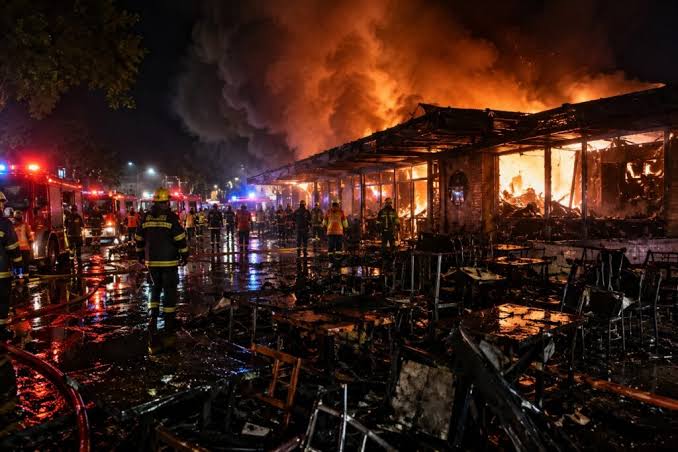
Iran responded by launching missile and drone attacks toward American positions and regional allies. Explosions were reported across several locations, while commercial vessels operating near the Strait of Hormuz faced heightened security risks as maritime tensions escalated.
Military Operations Expand Across the Gulf
Military analysts say the latest round of attacks represents one of the most significant escalations since fighting resumed earlier this month.
U.S. Central Command confirmed that military operations targeted strategic Iranian defense installations believed to support missile and drone capabilities. Although officials did not disclose every target, they stated that the objective was to reduce Iran’s operational capacity without targeting civilian infrastructure.
Iranian authorities condemned the strikes and pledged continued retaliation, warning that any military pressure would receive a “proportionate response.”
Strait of Hormuz Remains the Global Focus
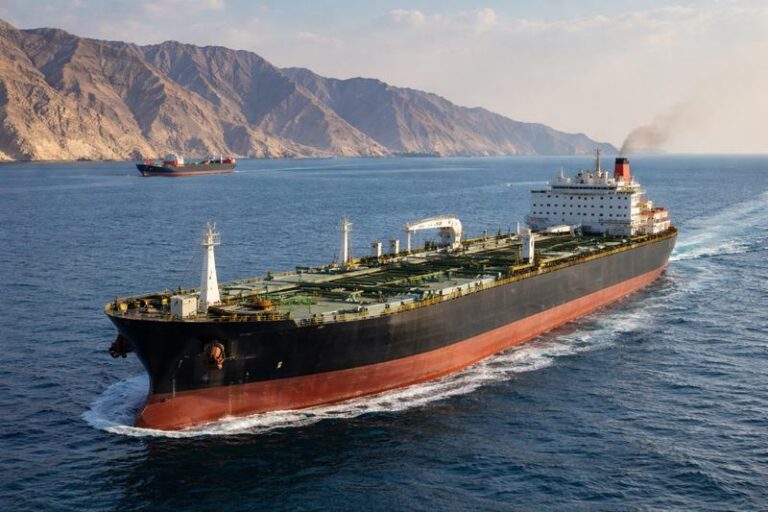
The Strait of Hormuz once again became the center of international attention after reports of attacks involving commercial vessels operating near the strategic waterway.
Several shipping companies reportedly delayed vessel movements while security agencies monitored developments throughout the Gulf. International maritime organizations also advised operators to exercise extreme caution while transiting one of the world’s busiest oil shipping routes.
Nearly 20 percent of global crude oil exports move through the Strait of Hormuz, making any disruption a major concern for governments and financial markets worldwide.
Oil Prices Rise as Markets React
Global energy markets responded immediately to the escalating US-Iran conflict.
Crude oil prices climbed as investors anticipated possible disruptions to energy supplies if the situation continues to deteriorate. Financial analysts warned that prolonged instability could increase transportation costs, fuel prices, and inflation across multiple economies.US-Iran conflict
Stock markets also remained cautious as traders monitored geopolitical developments throughout the Middle East. Energy companies, shipping firms, and airlines are expected to remain particularly sensitive to further military activity in the region. (The Wall Street Journal)
Diplomatic Efforts Continue Despite Escalation
Even as military operations intensified, diplomatic channels remained active.
Several countries, including regional partners, continue urging both Washington and Tehran to return to negotiations. International leaders have warned that additional escalation could threaten regional security, disrupt global trade, and increase humanitarian risks.
The United Nations has also renewed calls for restraint, emphasizing the importance of dialogue over continued military confrontation.US-Iran conflict
Why This Matters
The US-Iran conflict extends far beyond the Middle East.
The Strait of Hormuz serves as one of the world’s most critical energy corridors. Any sustained disruption could affect global oil supplies, increase fuel costs, slow international trade, and create additional uncertainty in financial markets.
Businesses, governments, and investors worldwide continue monitoring the crisis as its economic implications become increasingly significant.
What Happens Next?
Security experts believe the coming days will be crucial in determining whether military operations continue or diplomatic negotiations regain momentum.
Much will depend on developments in the Gulf region, where both military forces and commercial shipping remain on heightened alert. Any further escalation could influence global energy markets and international security throughout the remainder of 2026. (Reuters)
Key Takeaways
- The U.S. launched a new wave of strikes on Iranian military facilities.
- Iran responded with missile and drone attacks.
- Maritime security concerns increased around the Strait of Hormuz.
- Global oil prices remained volatile amid fears of supply disruptions.
- International leaders continue urging diplomatic negotiations.US-Iran conflict
Frequently Asked Questions
Why is the Strait of Hormuz important?
It is one of the world’s busiest oil shipping routes, carrying nearly one-fifth of global crude exports.
Why did oil prices rise?
Markets fear that military tensions could disrupt energy shipments through the Gulf.
Is diplomacy still underway?
Yes. Despite continued military action, several countries are working to encourage renewed negotiations between the United States and Iran.US-Iran conflict
For more in-depth stories and industry insights, news visit our Magazine Homepage